
AFC Materials
AFC Materials Group (Lake in the Hills, IL) PTFE and silicone coated fiberglass, Kevlar, porous, open-mesh and laminated high temperature belts by AFC product number.

Beltservice
Beltservice Corporation spec-sheet belts, listed by Beltservice part number and catalog number.
The right high temperature belt depends on where the heat is: the product (hot bakery goods, castings, extrusions), the process (ovens, dryers, heat sealers, shrink tunnels, laminators) or the environment. Each material handles a different combination of temperature, release and strength.
PTFE-coated fabrics give non-stick surfaces to about 500°F; silicone gives release and grip to about 390°F; aramid and Nomex® felts carry aluminum extrusions; heat-resistant EPDM rubber carries hot bulk such as asphalt, clinker and foundry sand.
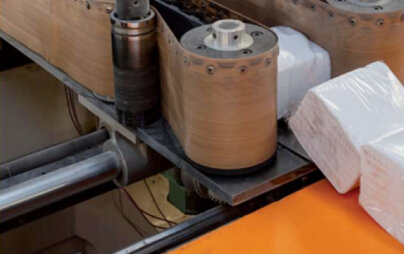
| Material | Properties | Temperature | Typical use |
|---|---|---|---|
| PTFE-coated fibreglass | Non-stick, chemically inert, solid or open mesh; heat-seal and cooking belts. | to approx. 550°F (288°C) | Ovens, dryers, heat sealing, grill and cook belts |
| PTFE-coated Kevlar® | Higher strength and flex life than fibreglass. | to approx. 550°F (288°C) | Heavy-duty sealing and laminating |
| Silicone covers | Release and grip, FDA grades. | approx. -40 to 392°F (-40 to +200°C) | Bakery, confectionery, hot product |
| Aramid / Nomex® / Kevlar® felt | Soft, heat-resistant woven and needled belts. | to approx. 400 to 900°F (grade) | Aluminum extrusion run-out tables, glass |
| Hot stock and water (HSW) | Rubber / cotton belts for hot and wet products; red silicone-covered versions. | grade dependent | Bakery, food cooling, tire |
| Heat-resistant rubber (HR) | EPDM / butyl covers: 400°F continuous and 700°F peak grades. | to 400°F / 700°F peak | Asphalt, cement, foundry |
Constructions
- PTFE solid fabrics and open mesh (4 mm and other openings)
- Kevlar® reinforced edges and lacing
- Silicone on polyester or aramid carcasses
- 2, 3 and 4-ply hot stock and water belts
- Heat-resistant rubber 2, 3 and 4-ply
Surfaces & profiles
- Smooth PTFE
- PTFE open mesh
- Silicone smooth and textured
- Felt
Fabrication options
- Alligator and pin lacing with Kevlar® reinforced flaps
- Endless splicing
- Edge reinforcement and tracking guides
- Grommets and pins
- Field vulcanizing (rubber HR belts)
Applications
- Bakery ovens and cooling
- Heat sealing and form-fill-seal
- Shrink tunnels and laminators
- Aluminum extrusion
- Food cooking and grilling
- Asphalt and cement
What temperature can a PTFE belt handle?
PTFE-coated fibreglass belts are commonly rated to about 500°F (260°C) continuous. Higher short-term peaks depend on the fabric and the lacing.
Silicone or PTFE?
Silicone gives grip and release, and stays flexible; PTFE gives the lowest friction and best non-stick at higher temperatures. Tell us the product and temperature and we will recommend one.